


17th June 2020
The Ultimate Guide to Website QA Testing
QA, or Quality Assurance, is what stops small issues becoming lost revenue, broken journeys and avoidable rework after launch. It sits alongside website design and web development , not behind them. When it is done properly, it protects performance, conversions and long term stability.
This guide explains what website QA testing actually involves, why it matters and how we approach it in real projects.
What is website QA testing?
Website QA is a structured process for checking that a site does what it is meant to do, on the devices and browsers real users actually use. That includes:
- Design accuracy
- User experience (UX) and user interface (UI)
- Functionality
- Performance
- Security
- Search engine readiness
It is not a quick visual check. It is a systematic review against agreed requirements, edge cases and known risks.
No QA process can test every possible variable. Internet speed, third-party outages and future browser updates are outside anyone’s control. Good QA focuses on what can be controlled and removes issues that would otherwise surface after launch.
The more complex the site, the more time QA needs. A small brochure site may take hours. A bespoke platform, ecommerce site or system with third-party integrations can take several days.
Our approach to website QA testing
QA works best when it mirrors how the site was built. We structure QA testing in the same order as the development process because each stage removes a specific risk. Skipping steps or testing out of sequence is how issues slip through and surface after launch.
What follows is not a theoretical checklist. It is the exact QA structure we use on live projects, including complex ecommerce and bespoke platforms.
1. Design accuracy
We start by checking the build against the approved designs and specifications. This is where pixel perfect accuracy matters. Even small spacing or typography issues can make a site feel unpolished and undermine trust. As part of this phase, we would check:
- Layout, spacing and alignment
- Fonts, sizes and line spacing
- Colour usage and contrast
- Component consistency across templates
Our QA team works directly with the designs. If something is off by even a pixel, it gets flagged and fixed.
2. Navigation and user flow
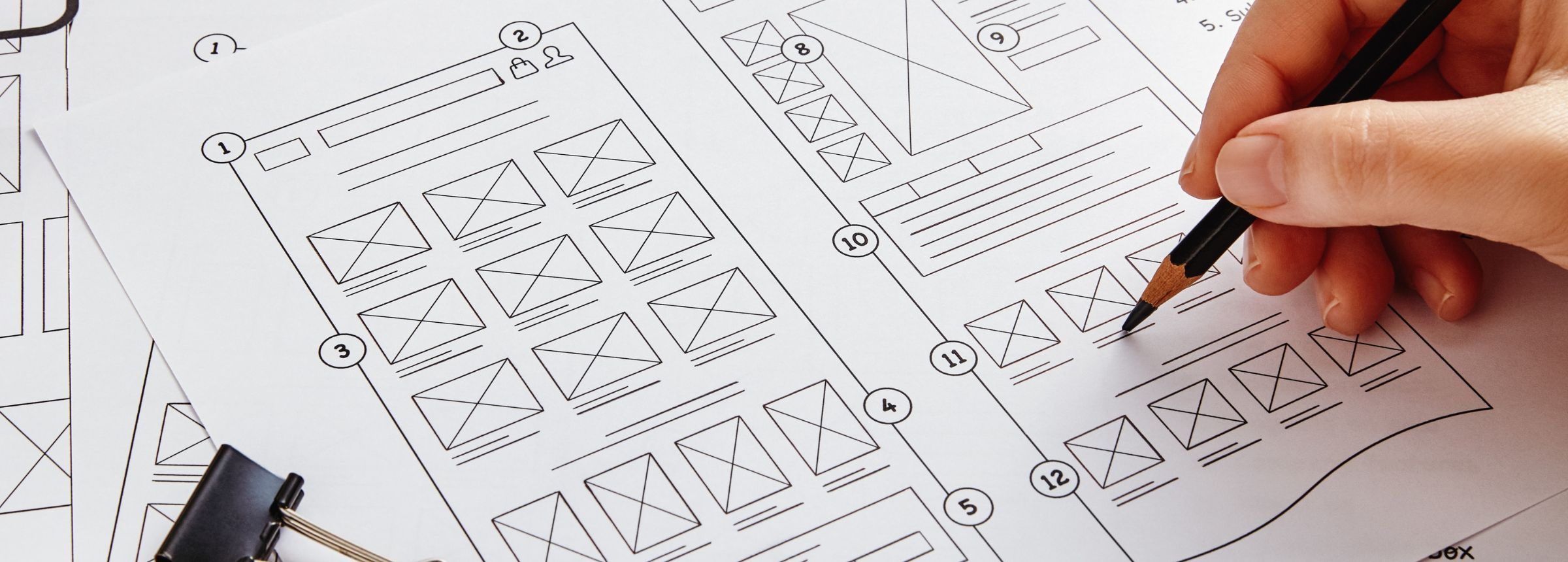
If users cannot find what they need quickly, they do not convert. Navigation is reviewed against the wireframes and intended user journeys. We test real paths, not theoretical ones. This includes:
- Clear routes to key pages
- Logical menu structure
- Consistent behaviour across devices
- No dead ends or confusing loops
If a journey feels slow or unclear, it gets simplified.
3. Content and readability
Content errors damage credibility and SEO. QA checks that all content is complete, readable and fit for purpose. That includes:
- Spelling and grammar
- Missing or placeholder text
- Contrast and legibility
- Consistent formatting
Images are part of this process. They must be high quality but also optimised. Oversized images slow pages down and hurt both user experience and rankings.
4. Link validation
Links must point to the correct destination and behave as expected. Every link is checked, including:
- Text links
- Buttons
- Images
- Logos
- Social icons
- Document downloads
5. Forms and data handling
Forms are only useful if the data arrives where it should. We test:
- Required and optional fields
- Validation messages
- Error handling
- Submission success states
We also confirm that data is delivered correctly, whether that is to an email inbox, a CRM or another system. If data goes missing, the form is not finished.
6. Device and browser testing
Most sites fail here if website QA testing is rushed. We test across modern browsers and a representative range of screen sizes, including mobile, tablet and desktop. As part of this phase, checks include:
- Responsive layouts
- Touch-friendly buttons
- Clickable phone numbers and email links
- No intrusive pop-ups
- Stable performance across devices
We update our test set regularly because browsers and devices change.
7. Custom functionality
Any custom feature is a risk until proven otherwise. This includes:
- Account creation and login
- Booking systems
- Calculators
- Integrations with third-party platforms
- Secure data handling
This approach is essential for bespoke Laravel platforms and complex WordPress builds .
8. Ecommerce QA testing
Ecommerce QA is deeper by necessity because revenue depends on it. Some of the things tested for ecommerce websites include:
- Product page completeness and accuracy
- Cart behaviour and quantity changes
- Discount and voucher logic
- Filtering and search accuracy
- Currency and tax calculations
- Shipping rules and thresholds
- Order confirmation emails
- Payment gateways using test transactions
If a user can get stuck, confused or overcharged, QA has not gone far enough.
9. SEO and performance checks
SEO QA focuses on fundamentals that actually affect rankings. This includes:
- XML sitemap submission
- Mobile performance
- Metadata completeness
- Page speed on real devices (we aim for load times under three seconds where technically possible)
QA is where assumptions get challenged. Some fixes will not move the needle, while some issues look serious but do not matter yet. Others seem minor but have a real impact on conversions or stability. The key to successful website QA testing is catching problems before users do and before they become expensive to fix.
How QA is delivered on our projects
At ALT Agency, all website QA testing is handled in-house by a dedicated testing team, with nothing outsourced.
We work primarily with WordPress and Laravel, which means we understand their limits, strengths and failure points deeply. That experience matters when you are testing complex builds, integrations or performance-critical sites.
If something genuinely cannot be achieved, we are upfront about it. We do not ship workarounds that create problems later. That is also why we offer a money back guarantee if a requirement proves impossible to deliver.
QA does not end at launch. As sites evolve, it needs to be revisited to maintain performance, security and reliability. That ongoing process is what turns a website from something that looks finished into something that actually performs.

Rehan Khan
Rehan Khan is a Senior Project Manager with over 20 years’ experience delivering complex digital projects. His work focuses on defining clear project scope, managing risk and keeping multidisciplinary teams aligned. Rehan works closely with designers and developers to translate strategy into practical delivery, ensuring projects stay focused, efficient and well controlled from planning through to launch.
Is your website ready to launch properly?
QA testing that helps catch problems before your users do.
A website can look finished and still have issues that affect enquiries, sales or trust. Our team designs, develops and tests websites that need to work properly across real devices, browsers and user journeys, helping you launch with no surprises and no avoidable fixes later.
Check Before You Launch